 Elo

Once a FACEIT match room opens you usually have a little over a minute. Spending it scouting the opponent instead of scrolling your phone makes a difference from the first rounds. Here is a short checklist.
1. Team average Elo
Start with the gap between the two teams. If the gap is large:
- If you are the favourite: a loss is expensive; play disciplined and low-risk.
- If they are the favourite: a win pays above average; it is a good moment to try surprise strategies.
2. Recent form
Elo shows the past; form shows today. A player winning 70% of their last 20 matches and a player winning 35% can share the same Elo but are not equally dangerous. A player whose form graph is dropping may crack more easily under pressure.
3. Map history
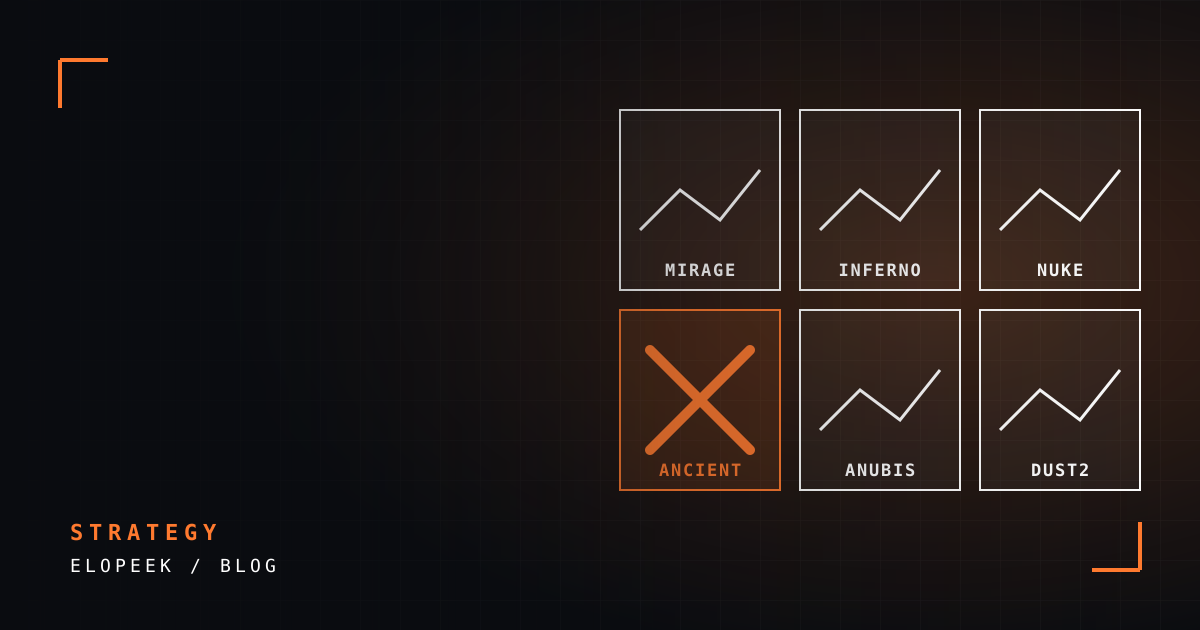
Before the veto, compare both teams' map win rates. Banning the opponent's clearly best map and protecting yours is the simplest edge. (See our map veto strategy guide for details.)
4. Roles
Do they have an AWPer? An aggressive entry? This changes where and how you enter in the opening rounds. If they have a strong AWPer, smokes that block long angles become a priority.
5. The standout player
Most FACEIT teams have one player performing well above the rest: high K/D, high average kills. Finding out where that player sets up in the first few rounds and planning around them (for example, extra utility on their spot) can swing the match.
How to use this information
The goal is not to memorise everything but to give your team one clear sentence:
"Ban Ancient, they have an AWPer holding A, let's hit B first round."
A sentence like that gets five strangers onto the same plan in seconds.
Things to keep in mind
- Stats are estimates: a player who looks weak may have a great day. Use data for preparation, not prejudice.
- Don't blame teammates: suggesting a fitting role to an out-of-form teammate works better than criticising them.
- Stay within the rules: scouting relies on public statistics and is within FACEIT's rules. Cheating or outside help during a match is not.
Conclusion
One minute of preparation shows up in your win rate over time. EloPeek puts these five pieces of information (team average, form, map history, role estimate and player stats) directly in the match room, so you spend your time deciding instead of searching.